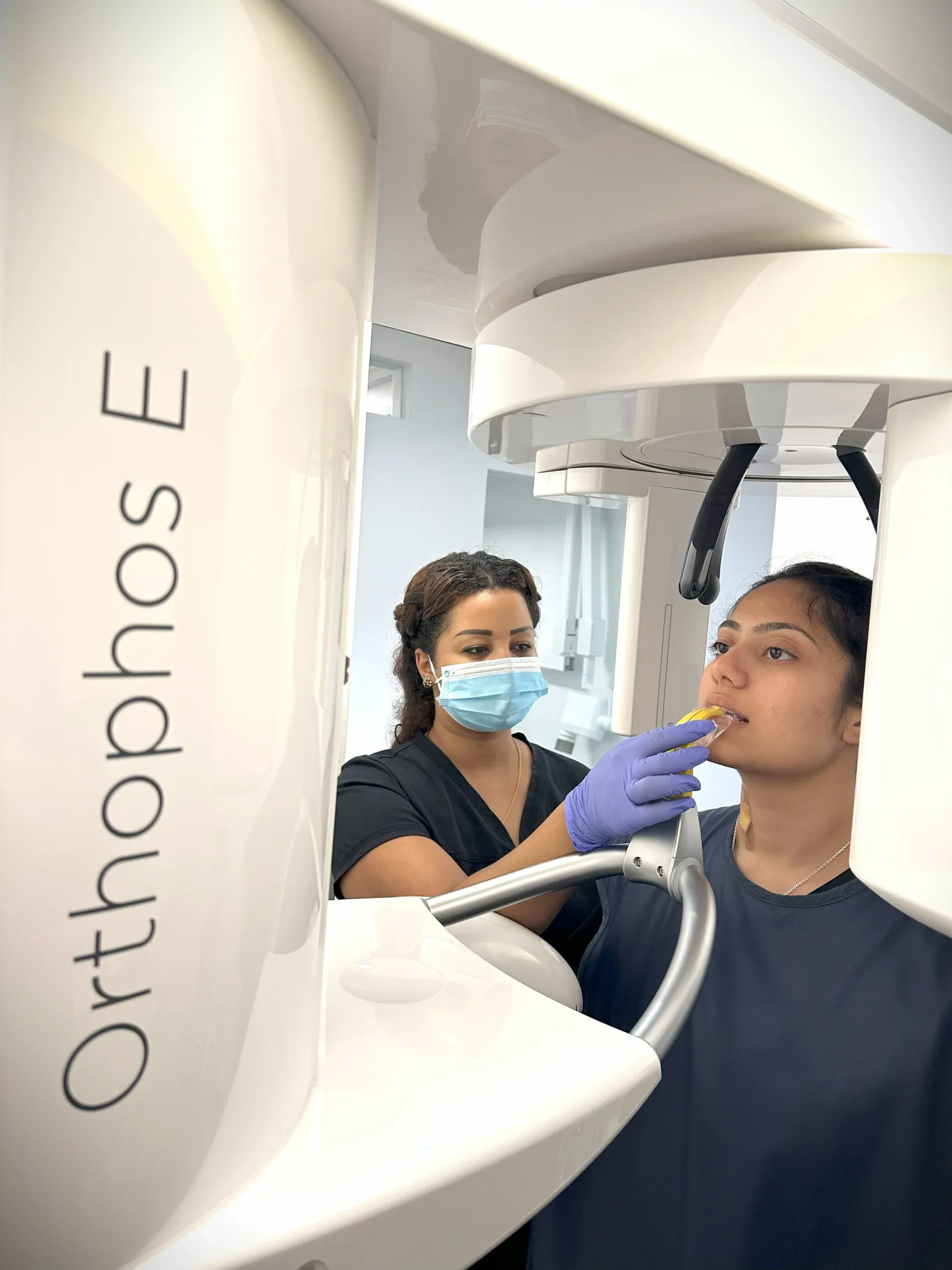



Many people feel nervous when a dentist in midtown Toronto says it is time to take out wisdom teeth. It is normal to wonder if it will hurt. This guide explains the wisdom tooth removal process so patients can understand and make informed decisions for their oral health.
What Are Wisdom Teeth?
Wisdom teeth are the third set of molars at the very back of the mouth. They usually come in between the ages of 17 and 25. Often, there is not enough room for them. When a tooth becomes stuck under the gum or grows at an abnormal angle, it is called an impacted tooth. This can cause pressure or swelling, which is why wisdom tooth removal in midtown Toronto is a common treatment.
Why Wisdom Teeth May Need to Be Removed
Wisdom teeth may need removal if they:
- Grow sideways or stay trapped under the gums
- Cause jaw pain or pressure
- Lead to gum infection
- Damage to nearby teeth
- Cause tooth decay
- Create crowding
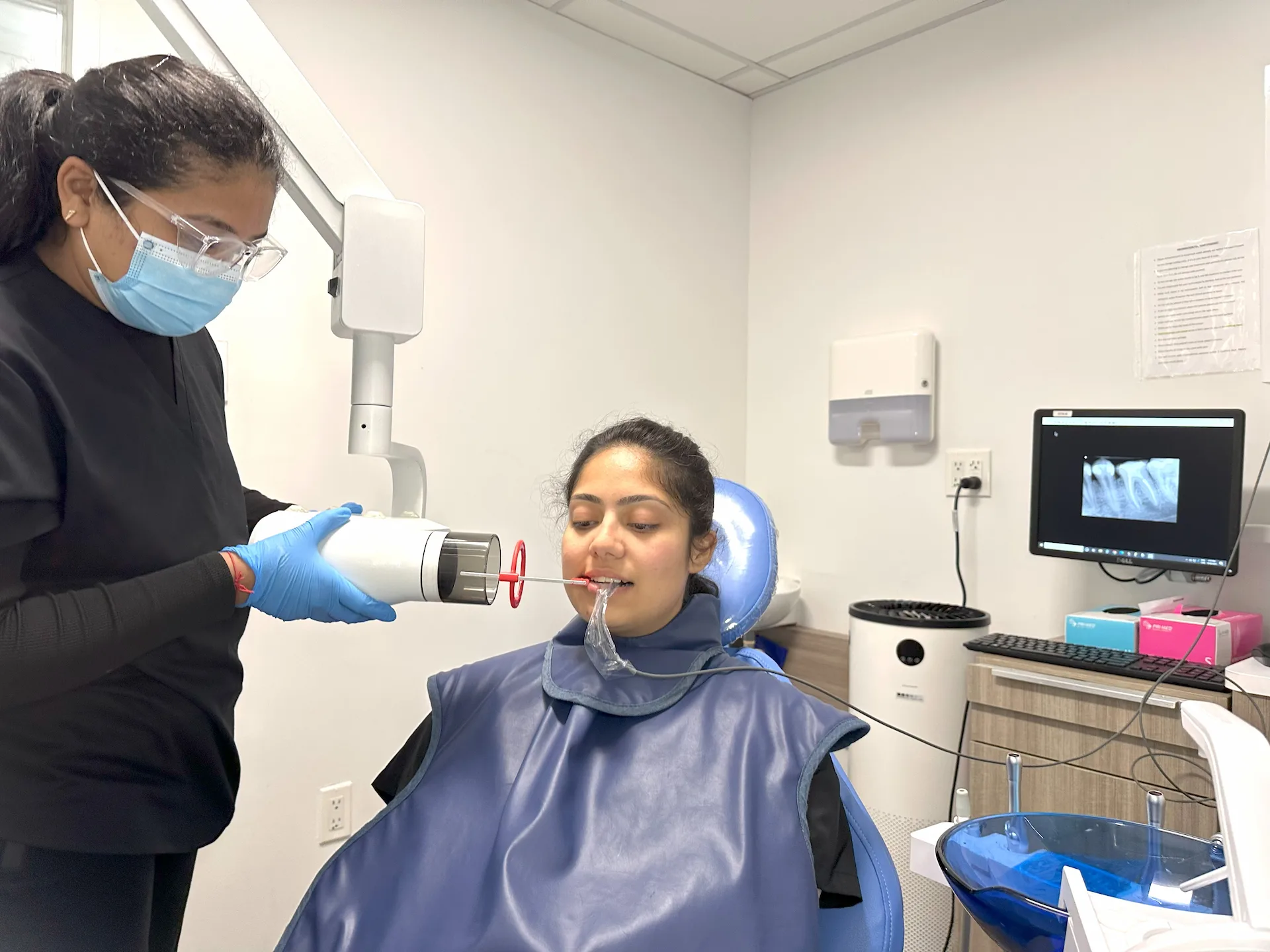
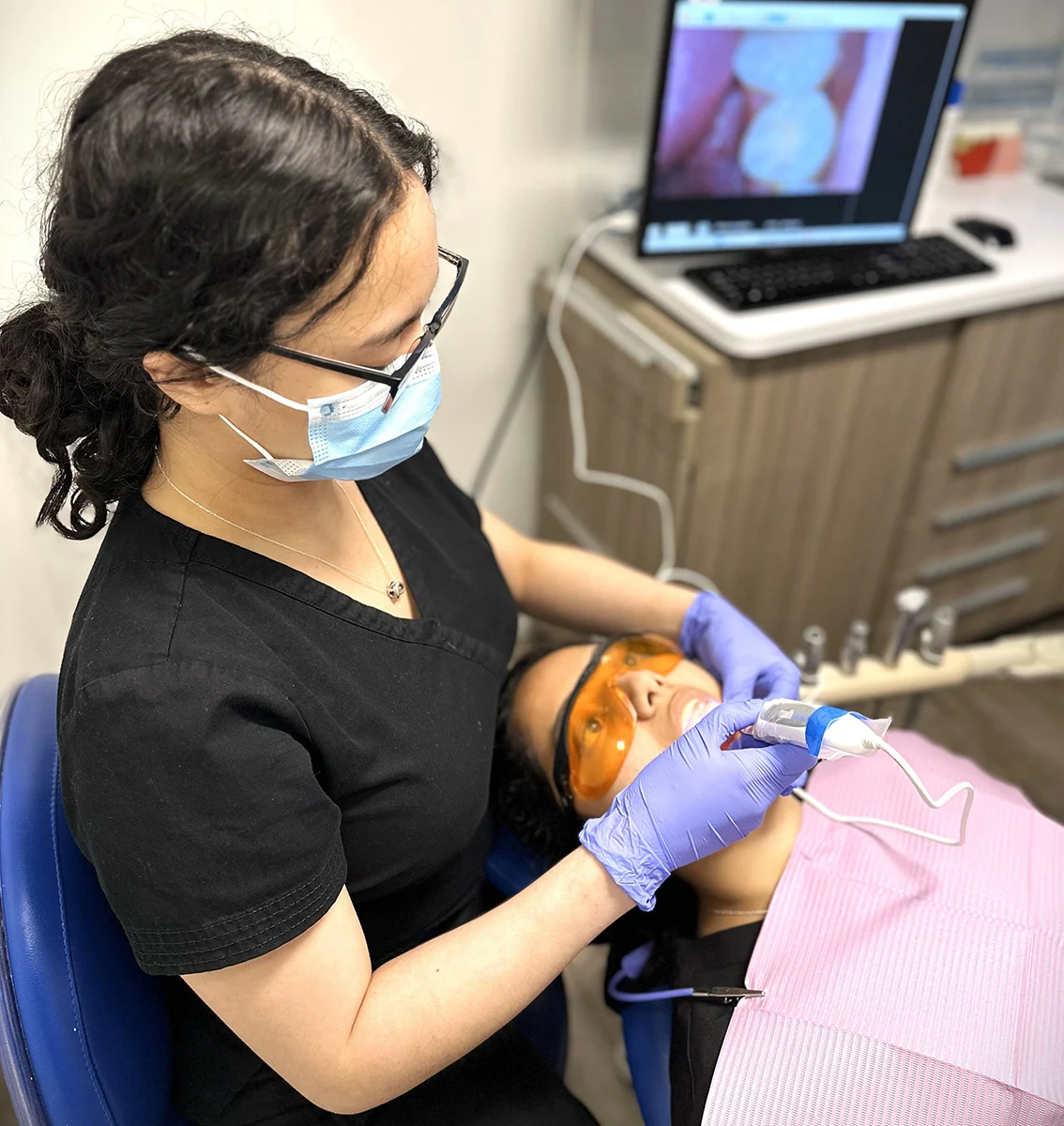
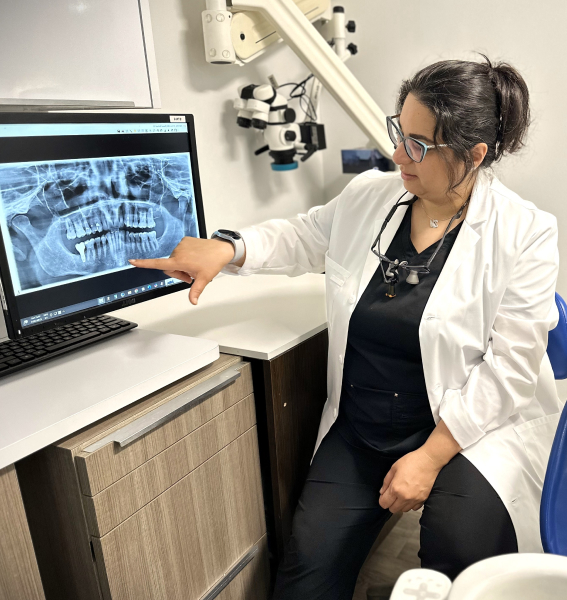
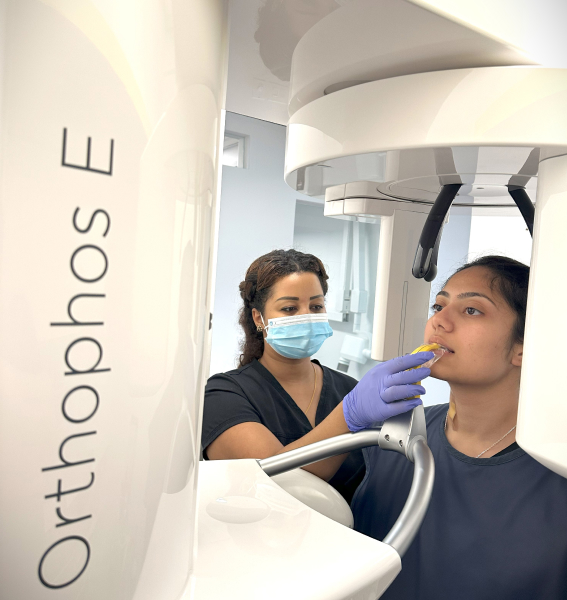
A dentist can examine the mouth with X-rays to check if wisdom teeth are impacted or causing problems.
Before the Procedure: The Plan
The process starts with a check-up. The dentist takes X-rays to see the roots of the teeth and the bone. This helps the dental team plan the safest way to remove the tooth. They will talk about “sedation” or “anesthesia.” These are medicines that make sure no pain is felt during the appointment.
During the Procedure: Will It Hurt?
The biggest question is: “Is it painful?” The answer is no, you should not feel pain during the surgery.
The dentist uses local anesthesia to numb the area around the tooth. This stops the nerves from sending pain signals to the brain. Some patients also use sedation to help them stay calm and relaxed. You might feel some “pressure” as the dentist moves the tooth, but you will not feel sharp pain. If you are looking for wisdom tooth removal near you, it is important to choose a professional dental team.
After the Procedure: The Healing Phase
Once the medicine wears off, it is normal to feel some soreness. This is part of the body’s healing. Following a specific impacted wisdom tooth removal recovery timeline and pain management plan is the best way to feel better fast.
The First 24 Hours
- Bleeding: A little bleeding is normal. Biting on a piece of gauze helps form a blood clot.
- Swelling: Using an ice pack on the outside of the face reduces puffiness.
- Rest: It is important to relax and not run around.
Days 2 to 7
- Soft Foods: Eat things like yogurt, pudding, or lukewarm soup. Do not use a straw, as the sucking motion can hurt the healing spot.
- Cleaning: Gently rinse with warm salt water to keep the area clean from germs.
Most people feel much better after three or four days. If the tooth was very deep in the bone, it might take a full week to feel normal again.
Get Safe and Effective Wisdom Tooth Extraction at Hayden Charles Dental Care
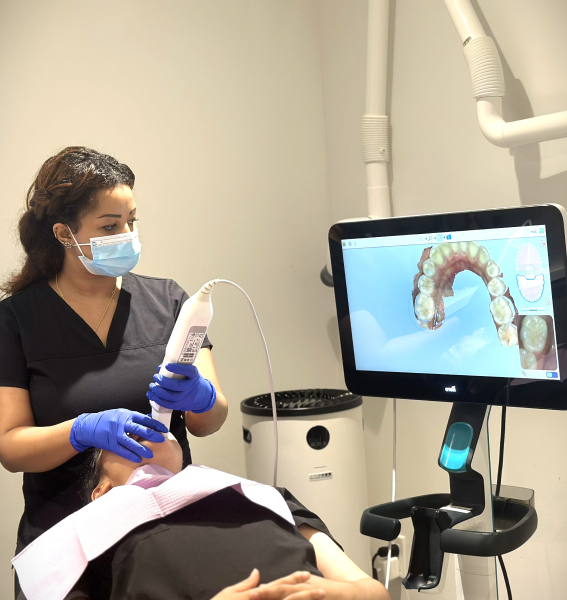
Our dental team uses careful exams and digital X-rays to check tooth position and gum health before treatment. We provide gentle anesthesia to help patients stay comfortable during the procedure. Our wisdom tooth removal treatment helps reduce pain, infection, crowding and damage to nearby teeth. We also give clear aftercare instructions for smooth healing.
Book an appointment with us today for wisdom tooth care.
Frequently Asked Questions
1. How painful is wisdom tooth removal during and after the procedure?
During the procedure, you will not feel pain because the dentist uses numbing medicine. At a trusted dental clinic near you, comfort is a top priority during treatment. After the surgery, the area may feel sore and swollen for a few days. Taking the medicine the dentist suggests will help keep discomfort very low.
2. How long does it take to recover from wisdom tooth removal?
Most people recover in about 3 to 7 days. While the gums might take a few weeks to close fully, you can usually go back to school or work after a couple of days of rest.
3. When should I get my wisdom teeth removed?
It is usually best to remove them when the roots are not fully grown yet, often in the late teens or early twenties. A dentist will review the X-rays to determine whether the teeth are causing crowding or pain.
4. What complications can occur after wisdom tooth removal?
The most common issue is a “dry socket.” This happens if the blood clot in the hole comes out too early. It can be painful, but the dentist can fix it quickly with a special dressing.
5. What can I eat after surgery?
Stick to soft foods that do not require chewing. Applesauce, mashed potatoes, and smoothies (eaten with a spoon) are great choices. Avoid spicy foods or anything with small seeds that could get stuck in the wound.