

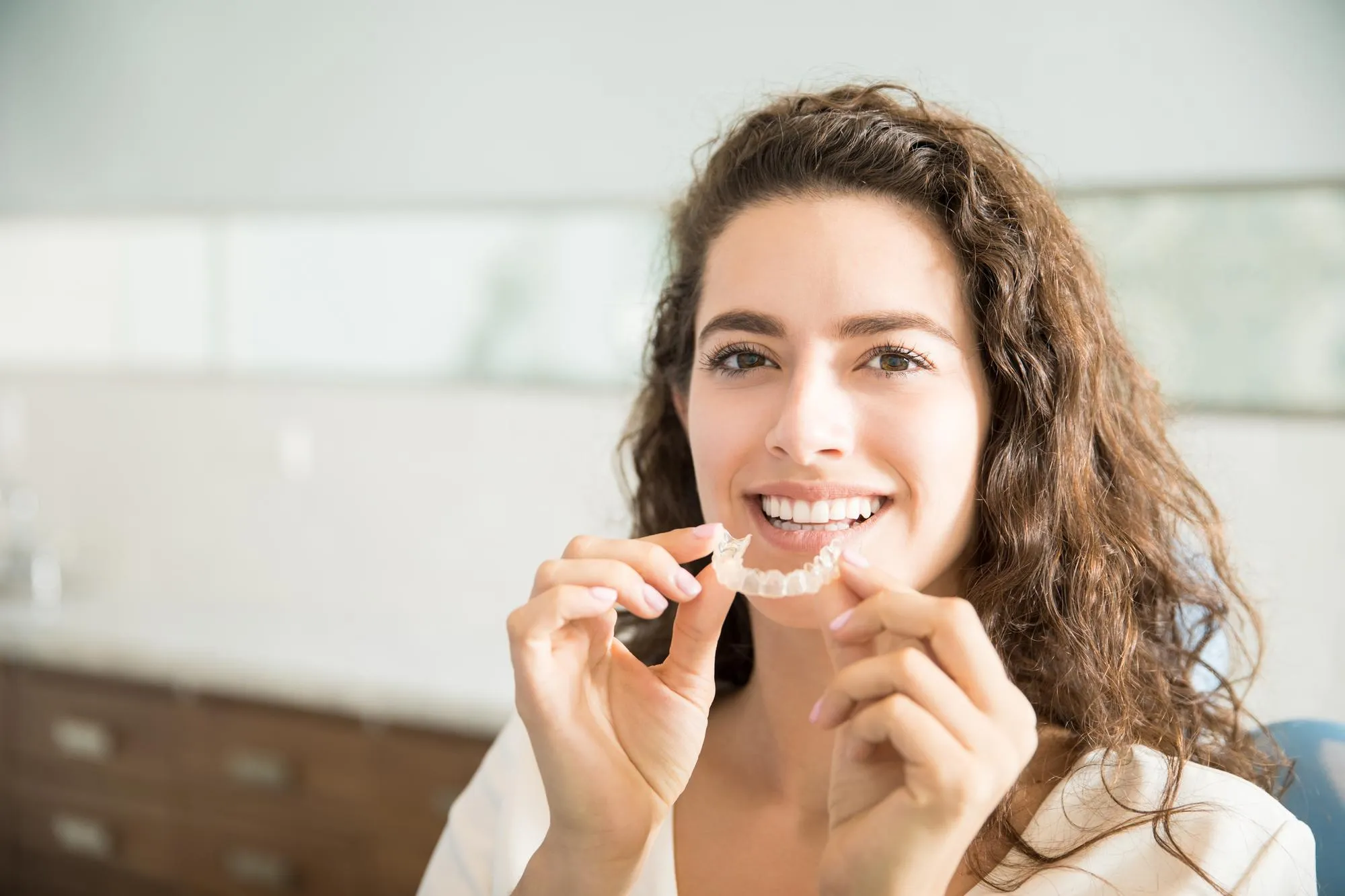
Achieving a straight smile often involves more than just moving teeth into a neat row. Many people wonder if Invisalign in Midtown Toronto can handle complex issues like how the top and bottom jaws meet. Correcting a bite is essential because a misalignment can lead to worn-down enamel, jaw pain, or even trouble chewing certain foods.
Modern technology has evolved significantly, allowing a dentist to use clear plastic trays for much more than just simple gaps. While many people think of these aligners as a way to fix crooked teeth, they are actually powerful tools for structural changes. When a patient chooses Invisalign near you, they receive a series of custom-made trays that apply gentle pressure to shift both the teeth and the jaw position.
How Does Invisalign Handle an Overbite?
An overbite occurs when the upper front teeth overlap the lower front teeth too much. If left alone, the lower teeth might actually bite into the roof of the mouth. Using clear aligner treatment for mild to moderate bite correction is a common way to pull the upper teeth back or move the lower teeth forward.
- Elastic Bands: Small hooks can be added to the aligners so that rubber bands can connect the top and bottom trays.
- Mandibular Advancement: Special wings on the trays help push the lower jaw forward in growing children.
- Precision Cuts: These allow the aligners to grip the teeth firmly while moving the jaw into a healthier spot.
Can an Underbite Be Corrected Without Metal Braces?
Underbites happen when the lower teeth sit in front of the upper teeth. This often makes the chin look prominent and can cause significant speech hurdles. While severe cases might require a different approach, many patients find success with Invisalign in Midtown Toronto for their underbite needs with their trusted dentist in Midtown Toronto.
Correcting an underbite requires the aligners to move the entire bottom row of teeth backward while simultaneously nudging the top row forward. This dual action helps create a “standard” bite where the upper teeth lightly overlap the lower ones. Consistency is the secret to success here; the trays must stay in the mouth for at least 22 hours every day to see real progress.
Fixing a Crossbite with Clear Trays
A crossbite is different because it means some upper teeth sit inside the lower teeth when the mouth is closed. It can happen in the front or the back of the mouth. If a person does not treat a crossbite, their jaw might grow lopsided over time.
- Expansion: The aligners can slowly widen the upper arch of teeth to fit over the bottom ones properly.
- Targeted Pressure: Trays focus on specific teeth that are “tucked” in too far, pushing them outward into the correct alignment.
- Jaw Alignment: By fixing the way teeth interlock, the jaw muscles can finally relax into a natural position.
Why Bite Correction Matters for Long-Term Health
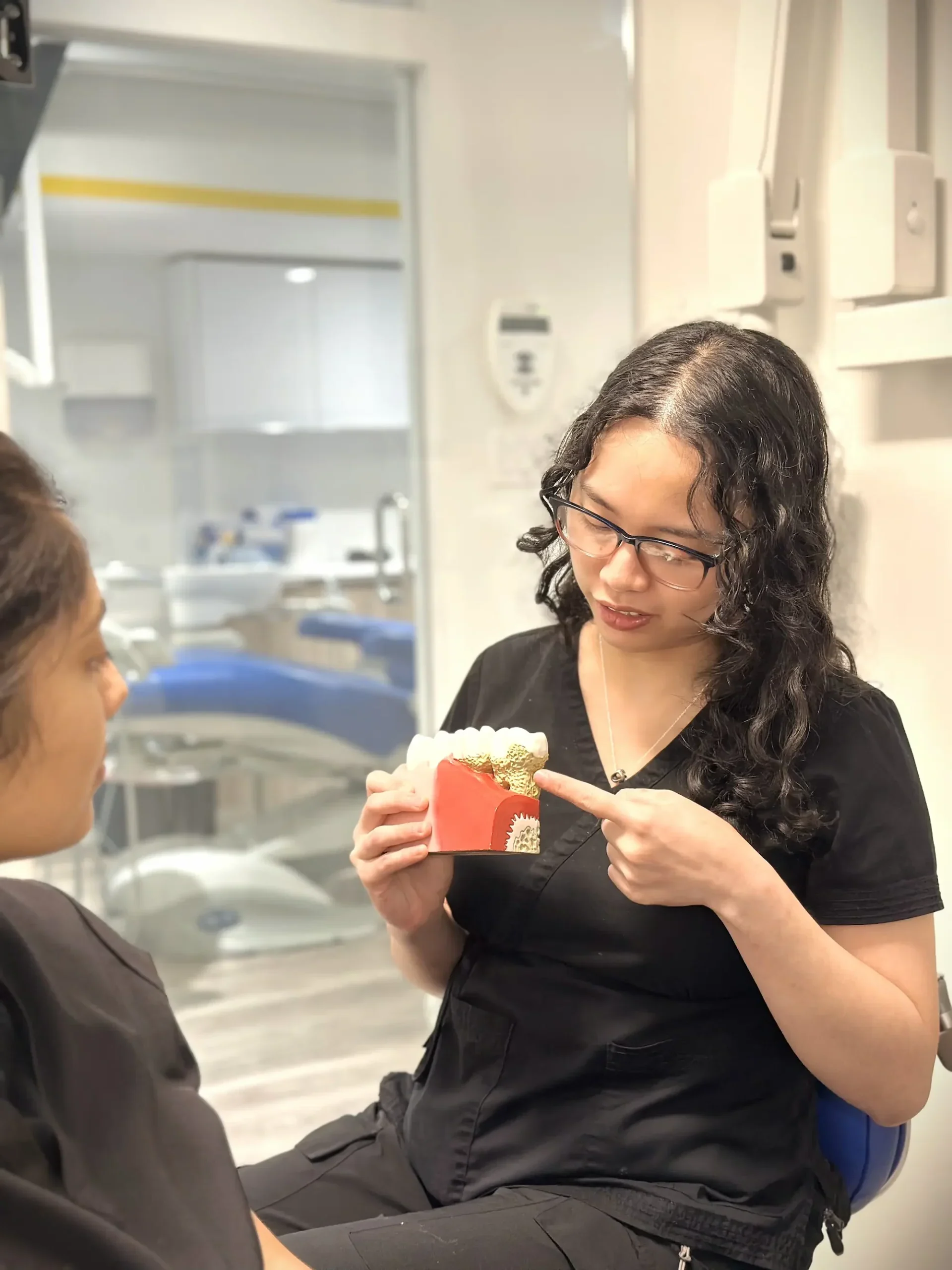
Having a balanced bite is not just about looking good in photos. When teeth do not line up, they hit each other at weird angles. Over time, a bad bite can cause chips, cracks, or even “TMJ” disorders, which make the jaw joint feel sore or clicky.
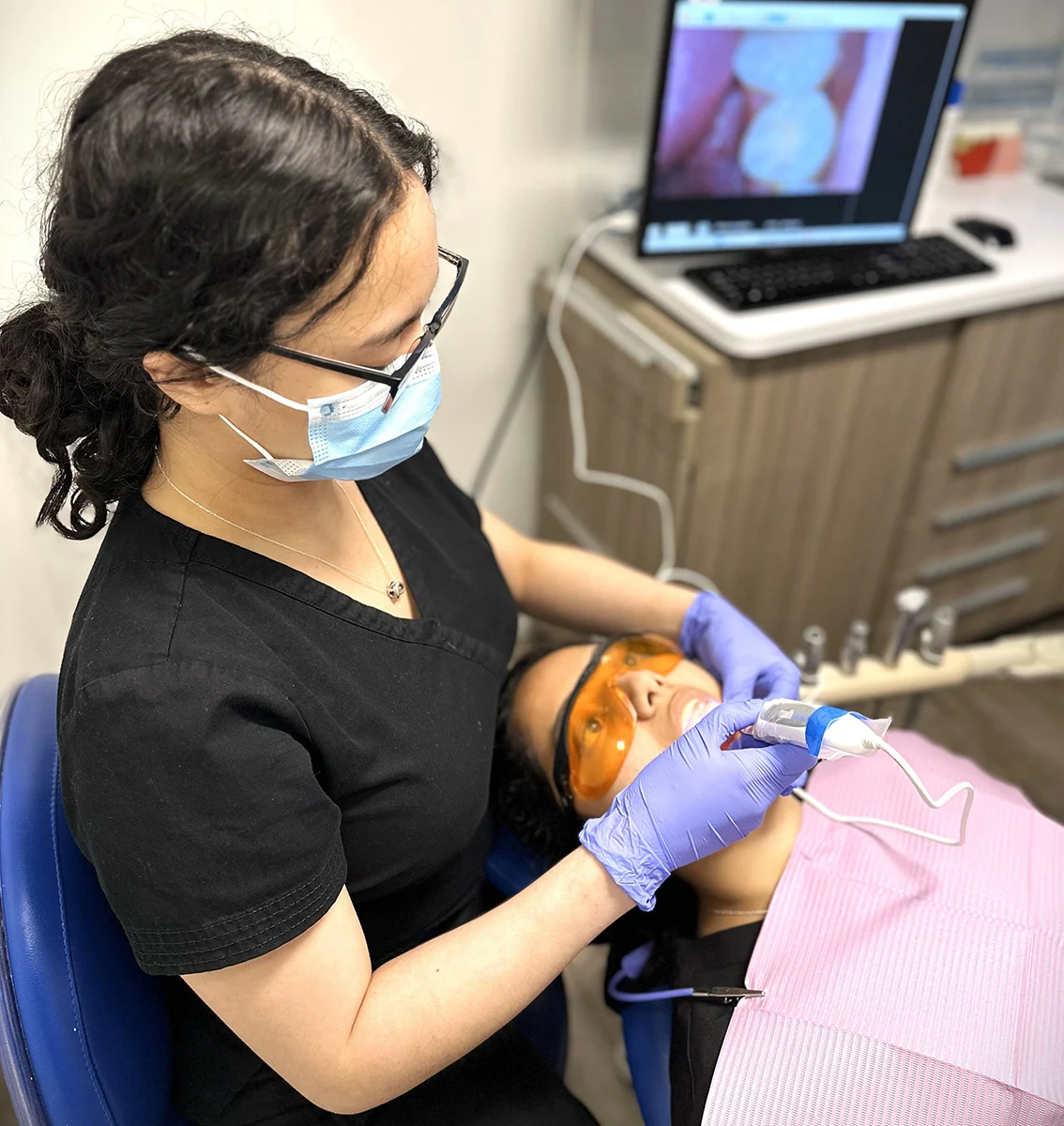
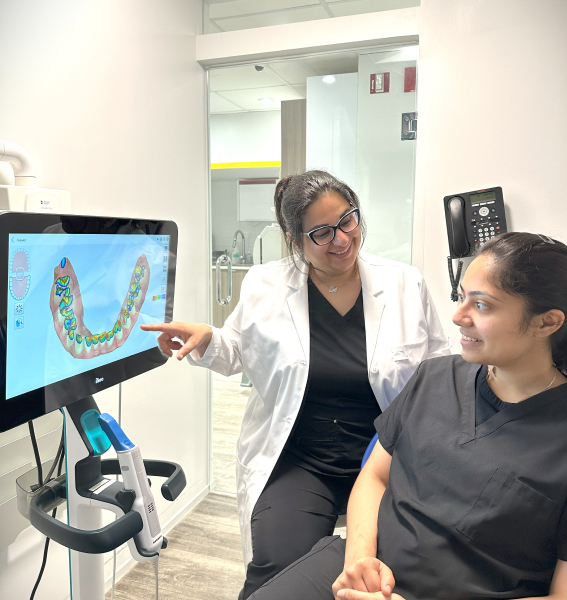
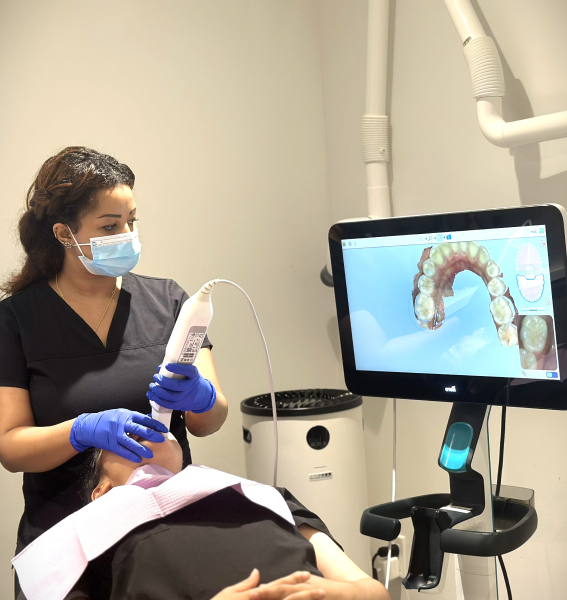
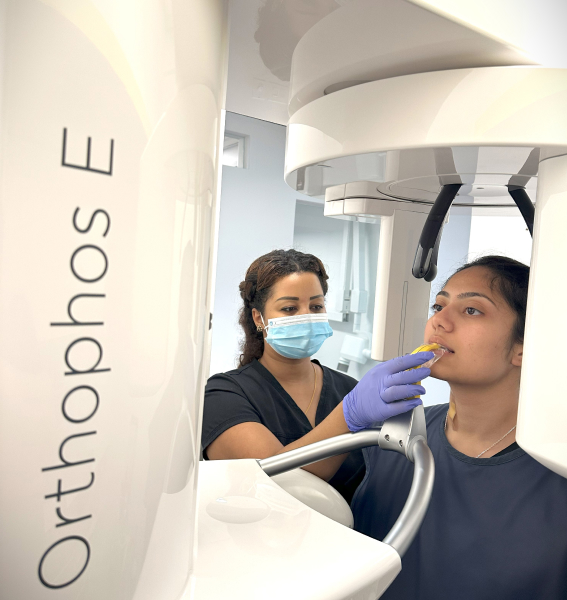
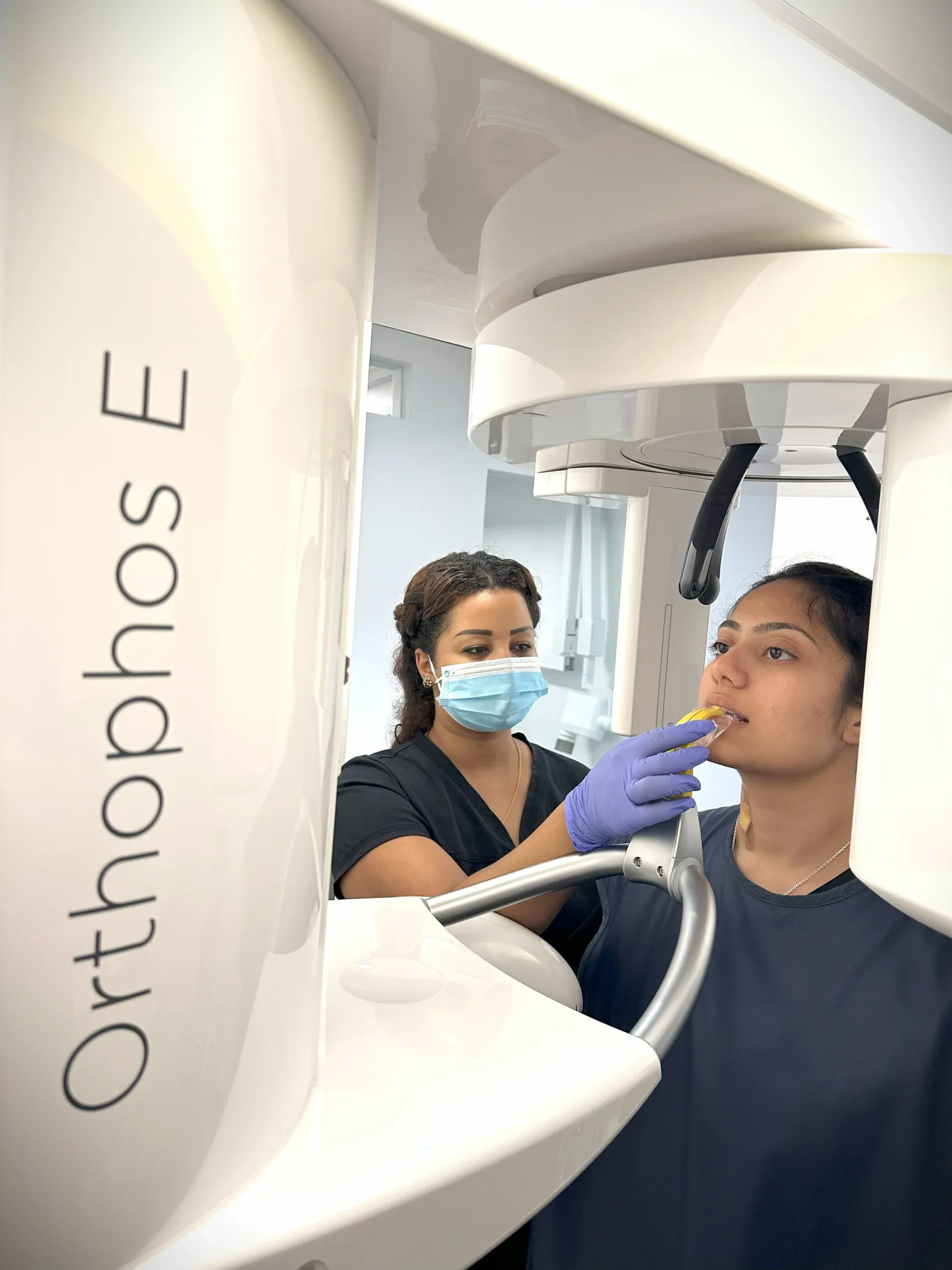
By visiting a professional dental clinic near you, you can get a 3D scan of your mouth. This scan shows exactly how your teeth currently meet and creates a digital map of how they will look once the bite is fixed. Seeing the finished result before even starting the first tray helps many people feel confident in their choice.
Want a Healthier, Straighter Smile?
Taking the step to fix a bite issue can prevent many dental headaches later in life. Whether you are dealing with a crossbite or an underbite, modern clear trays offer a discreet and comfortable way to change your smile. Hayden Charles Dental Care specialises in creating custom plans that fit your lifestyle and your health goals.
Call our dentist today to book your appointment for a consultation.
😁 Your journey to a straighter, more confident smile begins today – find your way to Hayden Charles Dental Care.
Frequently Asked Questions
1. How severe can an overbite be for Invisalign to still work?
Clear aligners are incredibly effective for mild to moderate overbites. If the position of the teeth causes the overbite, Invisalign usually works perfectly. However, if the issue is a major skeletal problem where the jawbones are of very different sizes, a dentist might suggest additional treatments.
2. Can Invisalign fix an underbite without surgery?
In many cases, yes. If the underbite is related to tooth position, aligners can move the teeth into the right spots. Surgery is typically only reserved for extreme cases where the lower jawbone is significantly longer than the upper jawbone.
3. How long does Invisalign take to correct a crossbite?
The timeline varies for everyone, but most bite corrections take between 12 and 24 months. Because moving a bite involves shifting many teeth at once, it sometimes takes a little longer than just closing a small gap between two front teeth.
4. Is Invisalign more effective than braces for bite correction?
Both options are very effective. The main advantage of clear aligners is that they are removable, making it easier to eat and clean your teeth. Metal braces are sometimes preferred for very heavy lifting, but modern attachments have made Invisalign just as capable for most bite issues.