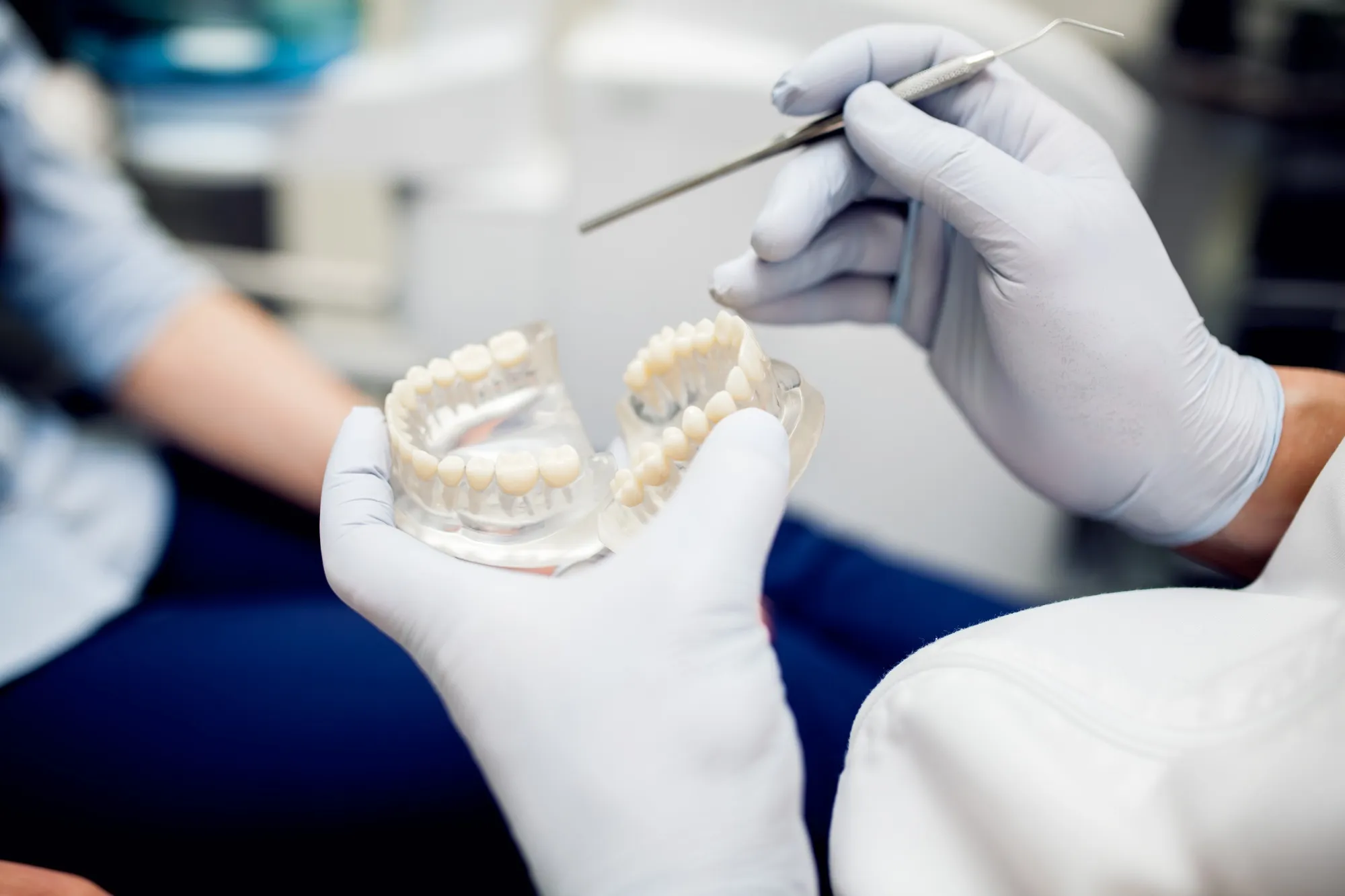


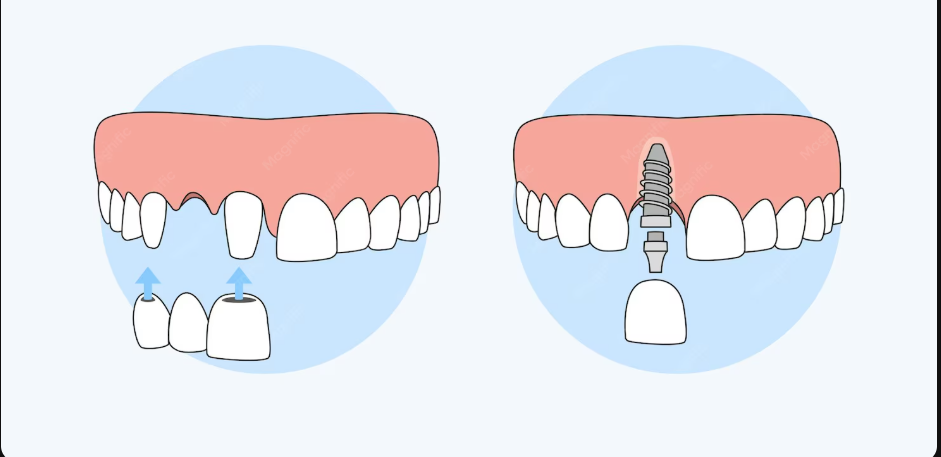
When replacing a missing tooth, it is important to think about how long the treatment may last. A dental clinic in Midtown Toronto can help you compare your options based on your oral health, budget, and needs. Dental implants replace the tooth root and the visible tooth. A dental bridge fills the gap by using nearby teeth for support. Both options can replace a missing tooth and help with chewing, but they are placed and cared for differently and may have different lifespans.
Understanding these differences can help you make a more informed choice instead of focusing only on the initial treatment.
Which Lasts Longer: An Implant or a Bridge?
For many patients, a dental implant can last longer than a dental bridge when properly placed and cared for. However, there is no fixed lifespan for either option.
A dental implants in Midtown Toronto can last for many years, but the crown on top may need to be replaced later. A dental bridge can also last for many years, but how long it lasts can depend on the health of the teeth supporting it.
Factors that can affect longevity include:
- Daily oral hygiene
- Bite pressure and teeth grinding.
- Smoking or tobacco use
- Gum health
- The condition of surrounding teeth
- Regular dental checkups
How Does a Dental Implant Work?
A dental implant replaces the missing tooth root with a small post placed in the jawbone. After healing, a custom replacement tooth is attached to the implant.
This approach does not require the neighbouring teeth to support the replacement tooth. It also helps provide a stable base for chewing.
A suitable candidate generally needs healthy gums and enough jawbone to support the implant. If there has been significant bone loss, additional treatment may be recommended before placement.
How Does a Dental Bridge Work?
A dental bridge in Midtown Toronto replaces a missing tooth by placing an artificial tooth between supporting teeth. Depending on the bridge design, the neighbouring teeth may need to be prepared to hold the restoration.
A bridge can often restore the appearance of the smile and provide a useful chewing surface without placing an implant into the jaw.
It may be considered when:
- The surrounding teeth are strong enough to provide support.
- An implant is not preferred or suitable.
- A faster tooth-replacement process is desired.
- The location of the missing tooth is appropriate for a bridge.
Which Option Is Easier to Maintain?
Both choices require regular care, but the cleaning routine is slightly different.
With an implant, brushing and flossing around the restoration remains important. Special cleaning tools may be recommended to reach areas around the implant.
A bridge also needs careful cleaning. Food can collect underneath the replacement tooth, so cleaning beneath the bridge is an important part of daily care.
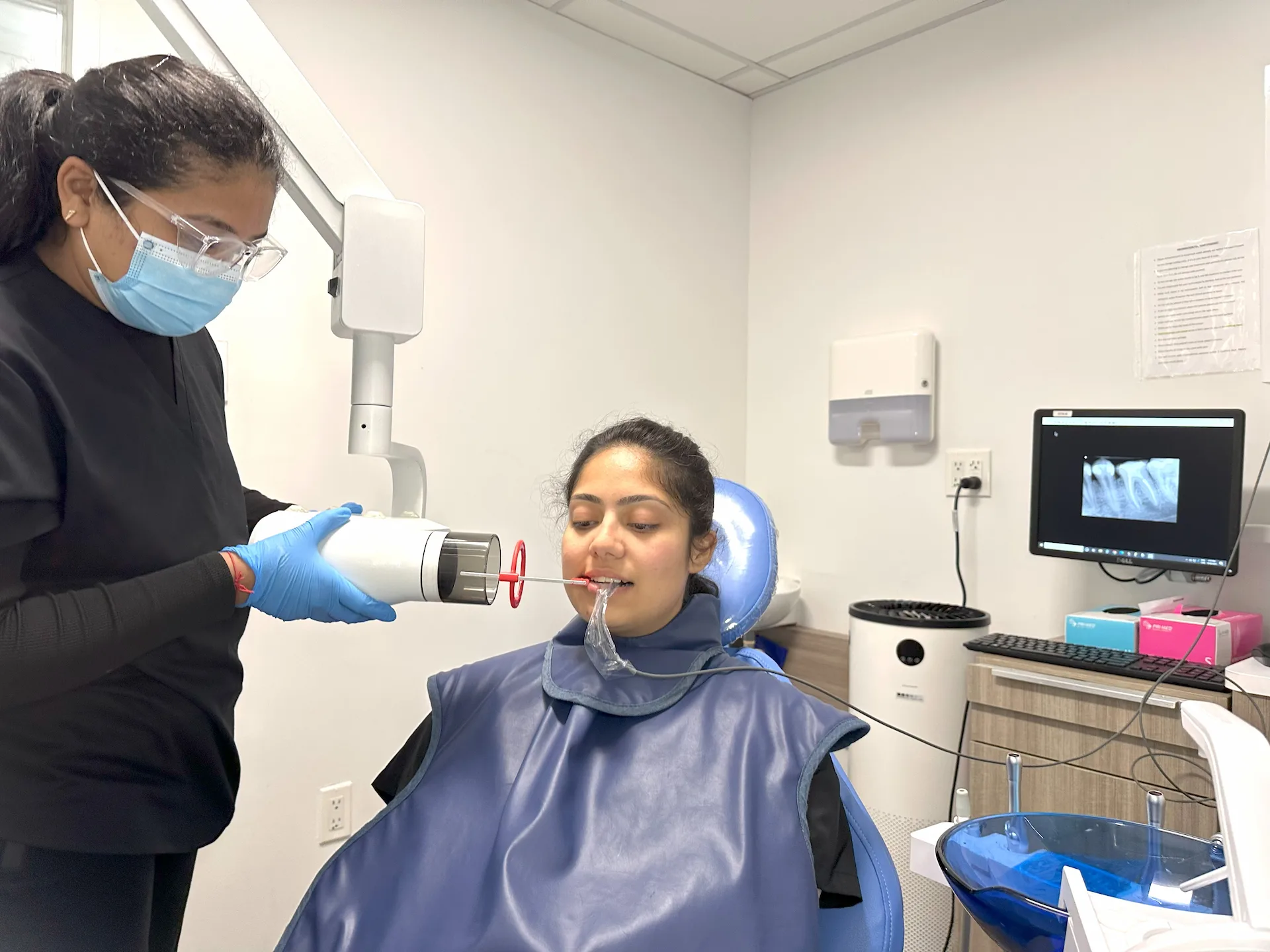
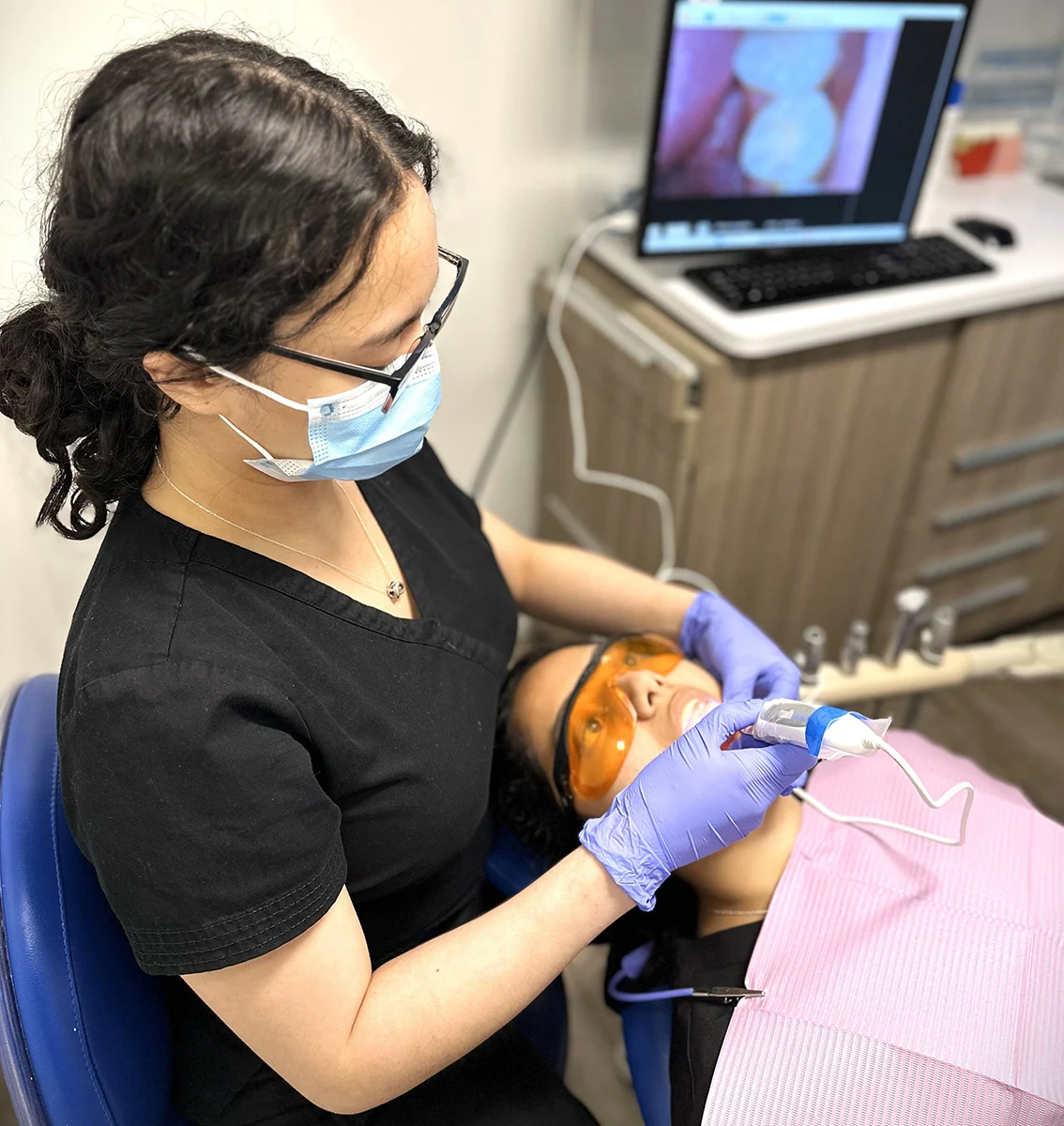
Regular dental visits at a dental clinic near you can help monitor both the restoration and the surrounding tissues.
Which Option Provides Better Function?
Both implants and bridges can improve chewing compared with leaving a missing tooth untreated. An implant, however, is anchored in the jaw, which can provide a stable foundation for the replacement tooth.
A bridge relies on the supporting teeth. Its function depends on the strength and health of those teeth and how the restoration fits with your bite.
The best choice depends on where the tooth is missing and how much support is available.
How Long Does Each Treatment Take?
Treatment time is another major difference.
A bridge can often be completed in a shorter period because it does not require the same healing stage as an implant. The exact timeline depends on the teeth involved and the type of bridge being used.
Implant treatment often takes longer because the implant needs time to heal and become stable before the final tooth is placed. Some people may also need extra treatment before the implant can be placed.
A dental assessment can provide a more accurate timeline for your situation.
Which Option Is Better for Replacing Missing Teeth?
When replacing missing teeth, there is no single option that works best for everyone.
An implant may be worth considering when:
- The jawbone can support an implant.
- The surrounding teeth are healthy.
- A long-term, independent tooth replacement is preferred.
- You are comfortable with a longer treatment process.
A bridge may be suitable when:
- Nearby teeth can support the restoration.
- A shorter treatment timeline is important.
- An implant is not suitable or preferred.
- The gap can be effectively restored with a bridge.
Find a Tooth Replacement That Fits Your Future!
Replacing a missing tooth is about more than closing a visible gap. The right option should work comfortably with your bite, fit your oral health, and make sense for your long-term needs. Understanding the differences between available treatments can help you move forward with greater confidence.
Book an appointment with Hayden Charles Dental Care to discuss your tooth-replacement goals and explore an option planned around your smile, comfort, and everyday needs.
FAQs
Is a bridge or implant better for one missing tooth?
Either may work. An implant replaces the missing tooth without using neighbouring teeth for support, while a bridge uses nearby teeth to hold the replacement tooth.
Does a dental bridge require more daily care?
A bridge needs regular brushing and careful cleaning underneath the replacement tooth. This helps reduce the buildup of food and plaque around the restoration.
Does an implant take longer than a bridge?
Usually, yes. An implant often takes longer because your jaw needs time to heal before the final tooth is placed. A bridge can often be done in fewer steps.
How do you choose between an implant and a bridge?
Think about your oral health, jawbone, nearby teeth, treatment time, care needs, and long-term goals. Your dentist can help you compare both options and choose what may work best for you.