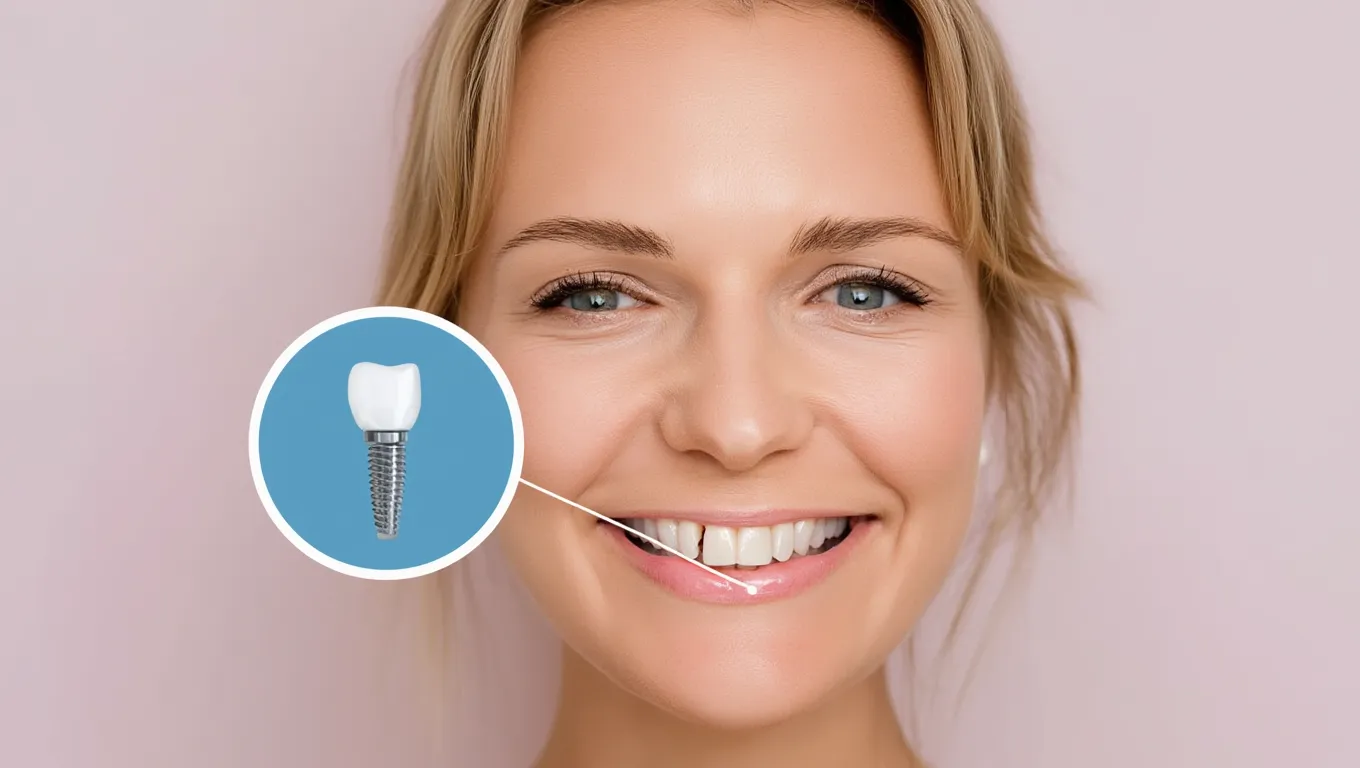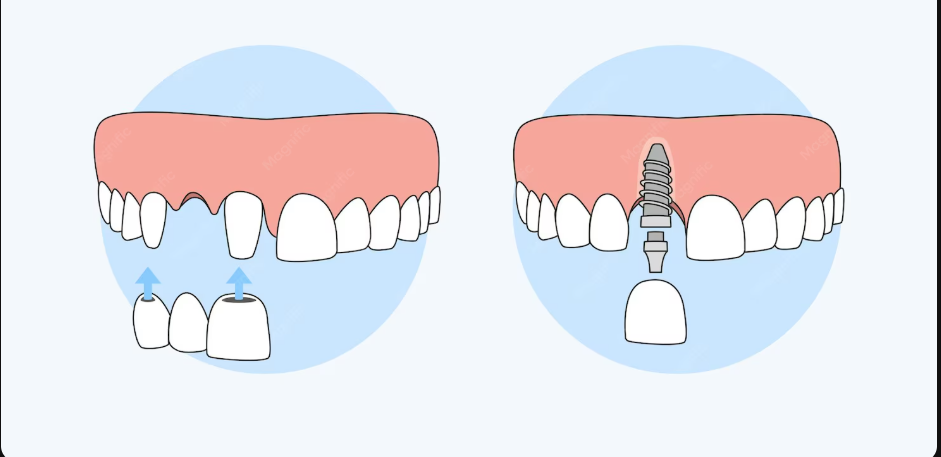


Getting a dental implant is an important step toward getting your smile back. After the surgery, it is normal for your mouth to be swollen and sore as your body heals. Understanding how to manage swelling after dental implant surgery helps you feel better quickly and get back to normal life.
Dental implants in Midtown Toronto require good aftercare for the implant to work well. How you take care of yourself during the first few days and weeks after surgery affects how fast you heal and how good your results are. With the right care, most people have minimal pain and go back to their regular activities within days.
Tips for faster recovery after dental implant placement begin immediately after the operation and last for several weeks. These steps will ensure that your implant heals correctly and keeps you as comfy as possible.
What to Expect After Your Surgery
Swelling, bruising, and some pain are completely normal after getting dental implants in Midtown Toronto. These signs show your body is healing — they do not mean something went wrong.
Swelling is usually the worst on days two and three after surgery. It gets bigger around days three to five, then slowly goes down over the next one to two weeks. Bruising can appear over several days and may take longer to go away than swelling.
Everyone handles pain differently. Most people say their mouth feels sore—like after regular dental work but more noticeable. Sharp pain usually does not happen.
Right After Your Surgery
- The first 24 hours are the most important for controlling swelling and pain.
- Bite gently on the gauze your surgeon gives you for 30 to 45 minutes after surgery. Do not keep changing it — let it help form a blood clot. If bleeding continues, bite on clean gauze for another 30 minutes.
- Rest completely for the rest of the day after surgery. Your body needs rest to heal, so taking it easy is essential.
- Use ice packs during the first 24 hours. Ice makes swelling go down and makes pain feel better. Put ice on for 15 minutes, then rest for 15 minutes. Repeat this for the first 24 hours.
- Keep your head up when you rest. Lying flat makes swelling worse, so sleep on extra pillows for the first few nights.
Reducing Swelling and Pain
- After the first 24 hours, switch from ice to heat. Warm compresses help reduce swelling and make sore muscles feel better. Use heat for 15 minutes at a time, several times daily.
- Take pain medicine as your surgeon tells you to. Do not wait until pain is very bad—it is easier to stop pain before it gets bad. Over-the-counter pain relievers can also help.
- Starting 24 hours after surgery, rinse gently with warm salt water. This cleans the area and reduces swelling. Rinse gently after meals and before bed.
- Do not smoke or drink alcohol at all. Both slow down healing and make swelling and pain worse.
- Put a cold compress on your cheeks if you have significant bruising. Bruising goes away over one to two weeks — do not worry if it looks worse before it looks better.
What You Can Eat During Recovery
Eating the right foods helps you heal, but you must choose soft foods carefully.
For the first 24 hours after getting dental implants near you, eat only cool or room-temperature soft foods:
- Smoothies made with fruit, yogurt, and protein
- Applesauce
- Pudding
- Soft ice cream
- Cooled broth or soft soup
- Yogurt
- Mashed potatoes without hot butter
After 24 hours, you can slowly add the following:
- Scrambled eggs
- Soft oatmeal
- Cooked vegetables that are very soft
- Soft fish
- Cottage cheese
- Banana and soft fruits
- Soft cheese
- Soft pasta with light sauce
Do not eat hard, crunchy, sticky, or very hot foods for at least one week. Do not use straws for the first week — the sucking motion can hurt the area where surgery happened.
Drink plenty of water. Take small sips throughout the day.
Activity and Rest During Healing
- Do not do hard physical activity for at least three to five days. Exercise raises your blood pressure and can cause bleeding.
- You can go back to light desk work after one to two days if you feel ready. Avoid jobs requiring hard physical work for at least one week.
- Do not drive if you are taking pain medicine that makes you sleepy. Have someone drive you home and the next day if needed.
- Start gentle walking after a few days. Light activity helps blood flow and supports healing without overdoing it.
When to Call Your Dentist
Contact your dentist in Midtown Toronto if you notice:
- Bleeding that does not stop after 30 minutes of biting gauze
- Fever above 101°F (38.3°C)
- Severe pain that medicine does not help
- Swelling that gets worse after five days
- Pus or unusual drainage from the surgery area
- Trouble swallowing or breathing
- Numbness or tingling that continues beyond the first few days
Getting help early stops big problems.
Medications and Care Instructions
Your surgeon gives you specific medicines to help with pain and prevent infection. Take all antibiotics as directed, even if you feel better.
Use prescribed mouth rinses as instructed. Do not use regular store-bought mouthwash with alcohol—it slows down healing.
Keep taking any regular medicines you take for other health conditions unless your surgeon says otherwise.
Heal Well and Enjoy Your New Smile — Hayden Charles Dental Care Is Here for You
Good aftercare ensures your implant heals properly and you feel comfortable. By following these steps and staying in touch with your dental clinic near you, you can recover well and enjoy your new implant for many years.
At Hayden Charles Dental Care, we provide clear aftercare instructions and support throughout your recovery. You can take the first step towards a restored smile and book an appointment with us today․
Frequently Asked Questions
Q1: How long does swelling last after dental implant placement?
Swelling is usually the worst on days three to five and slowly goes down over one to two weeks — some swelling can last four to six weeks in some cases, but most swelling is gone within two weeks.
Q2: When should I contact a dentist about pain after a dental implant procedure?
Call your dentist if pain is very bad and medicine does not help, if you get a fever, or if swelling gets worse after five days—some pain and soreness are normal, but extreme or increasing pain needs professional evaluation.
Q3: What foods can I eat while recovering from dental implant surgery?
Eat only soft, cool foods for the first 24 hours, then slowly add warm, soft foods—avoid hard, crunchy, sticky, or very hot foods for at least one week while healing happens.
Q4: Can I return to work the day after getting dental implants?
Most people can go back to desk work after one to two days; jobs requiring hard physical activity should wait at least one week to prevent bleeding and problems.